Secondary School
YERSIN SCHOOL JUNIOR SECONDARY EDUCATION PROGRAM: ACCELERATING ACADEMIC GROWTH, SHAPING ESSENTIAL SKILLS
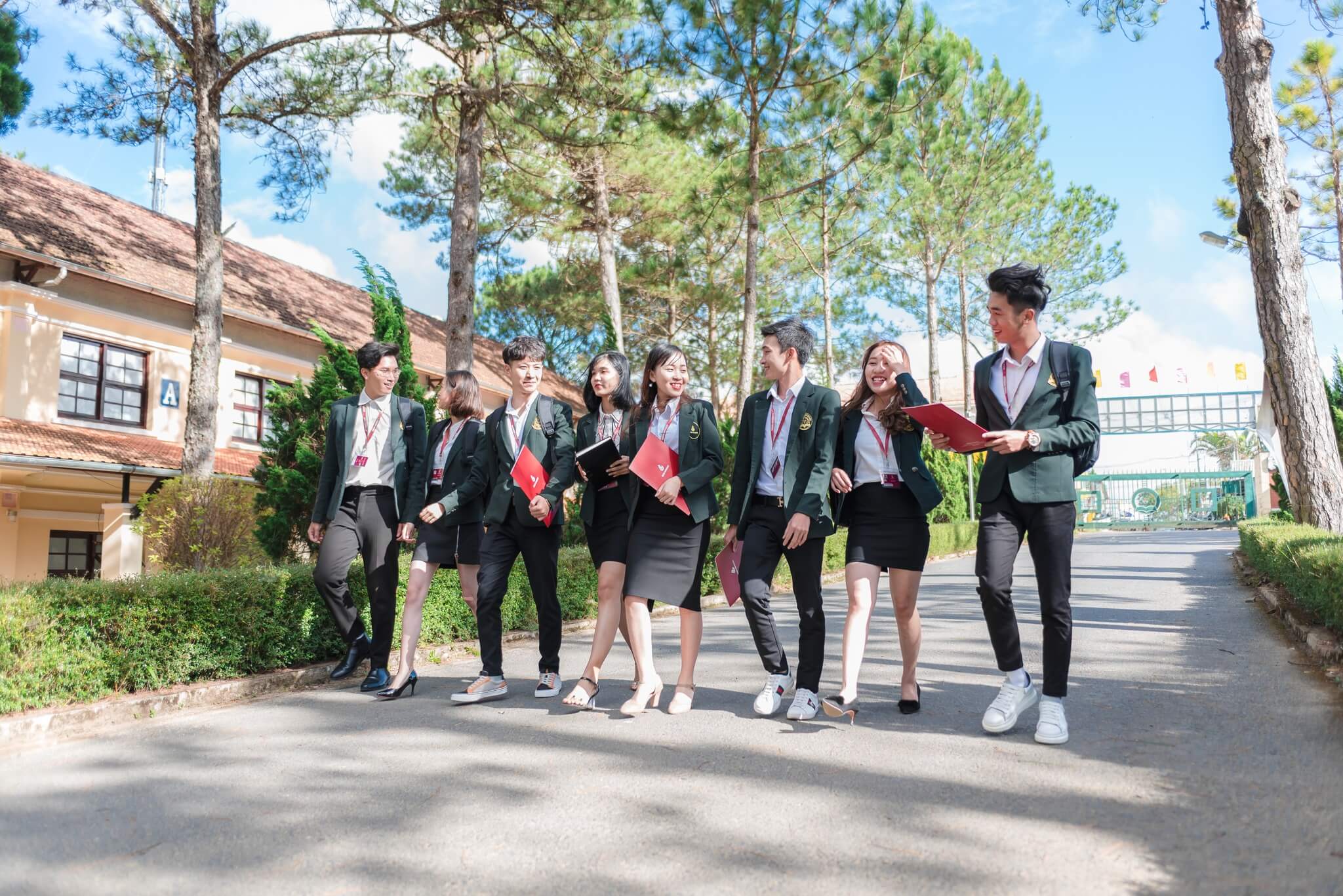
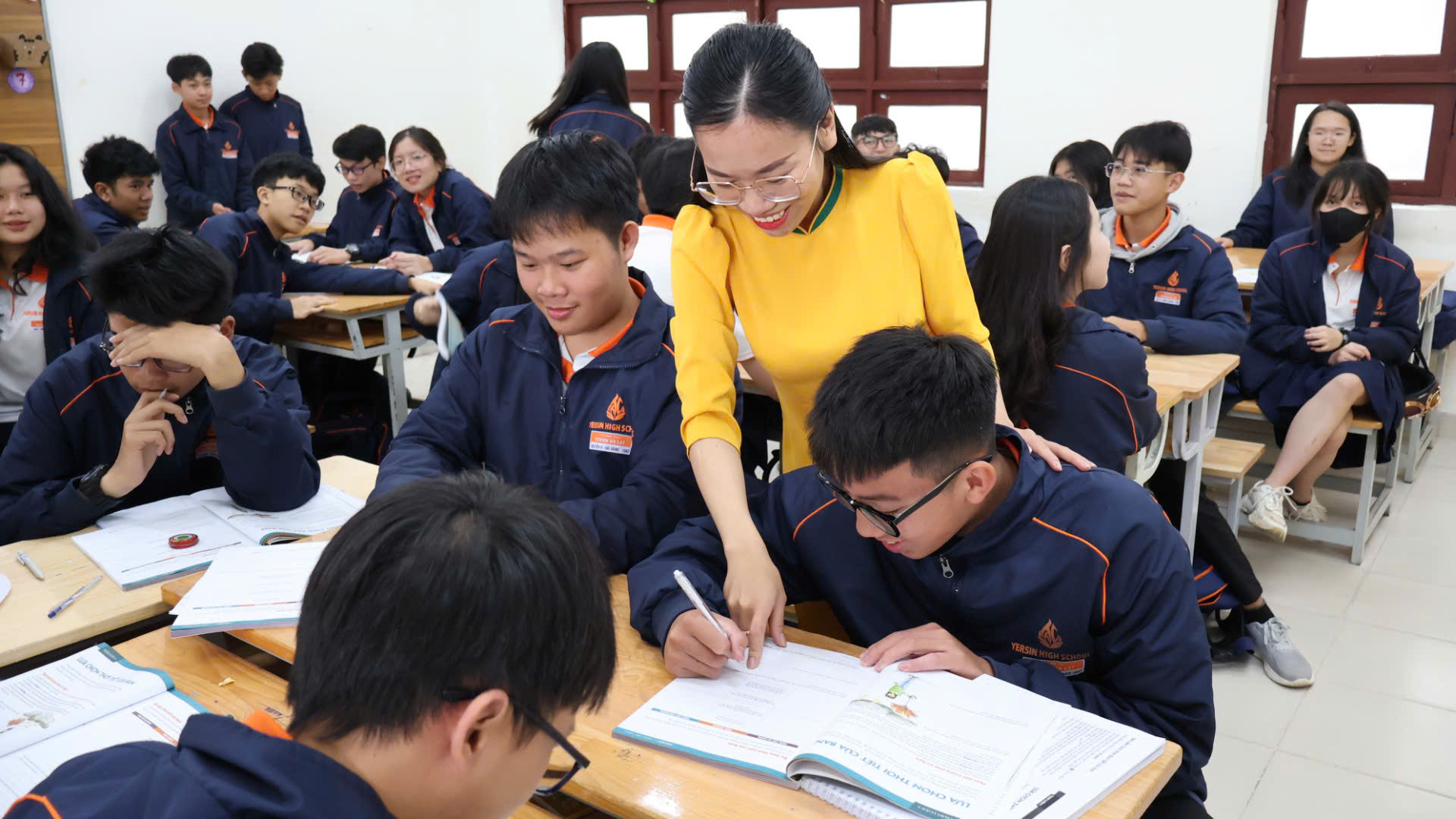
The Junior Secondary Education Program at Yersin School is designed as an accelerated phase, helping students master knowledge, develop essential skills, and foster independent thinking. We combine the MOET standard curriculum with modern educational approaches, enabling students not only to consolidate their knowledge but also to explore and maximize their personal potential.

Students complete a Personal Competency Portfolio by the end of the program

Achieve IELTS 4.0 or equivalent B1 CEFR upon completing Grade 9

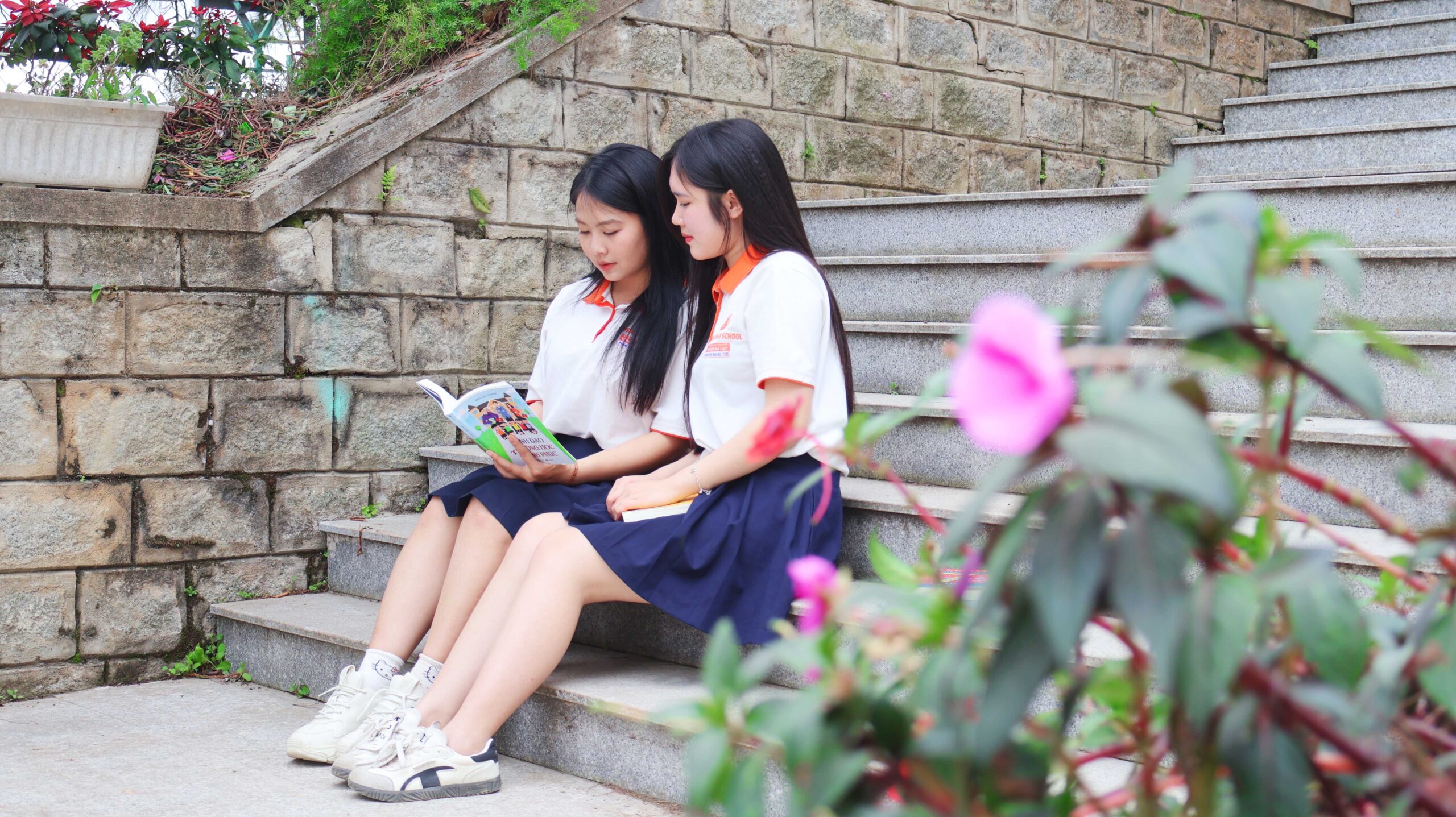
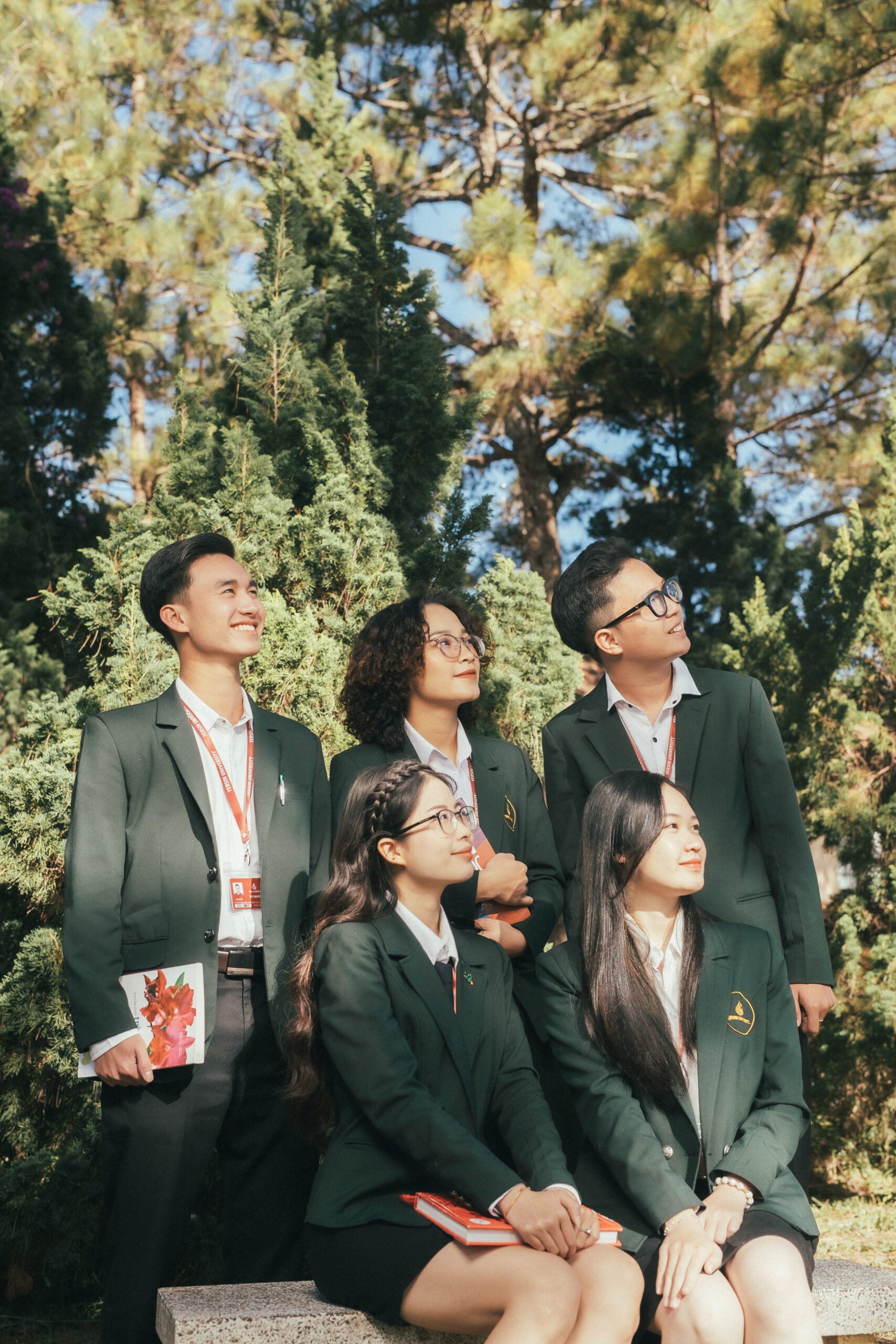
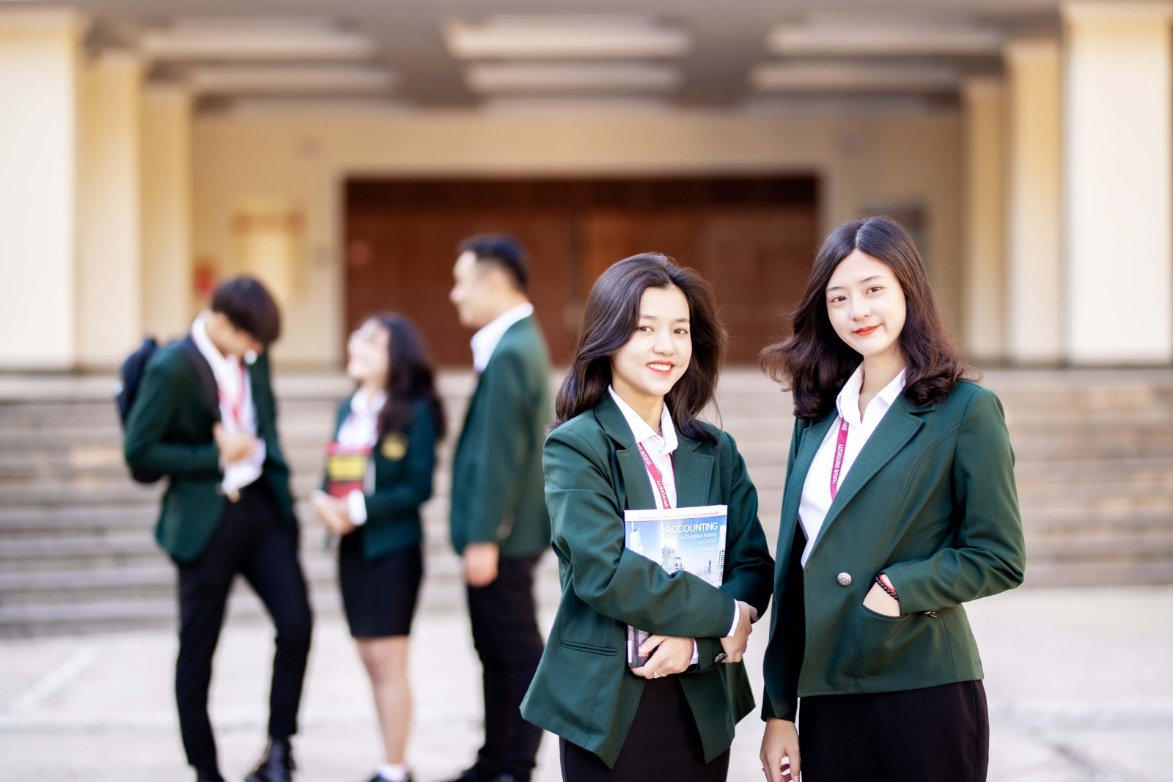
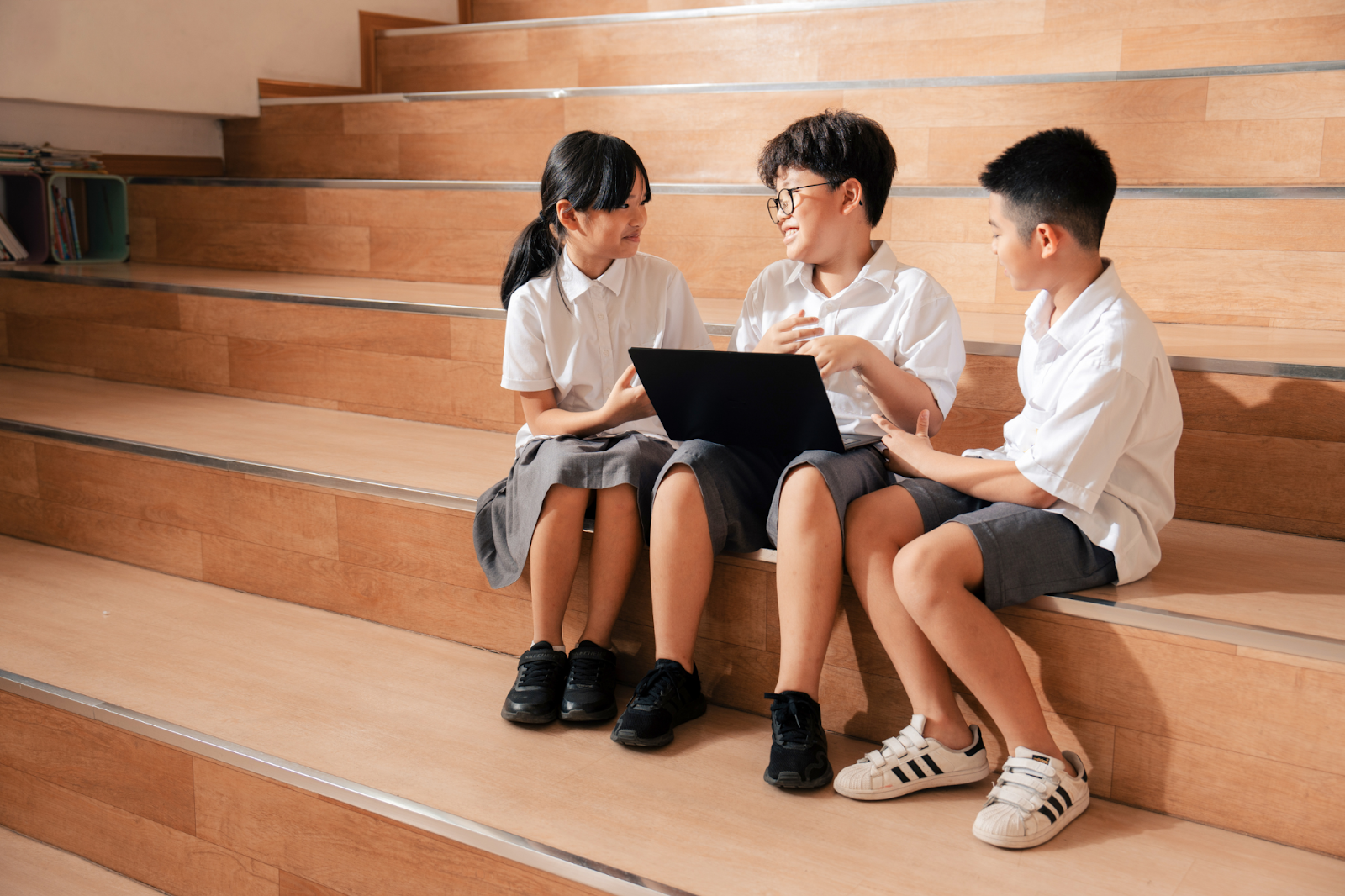
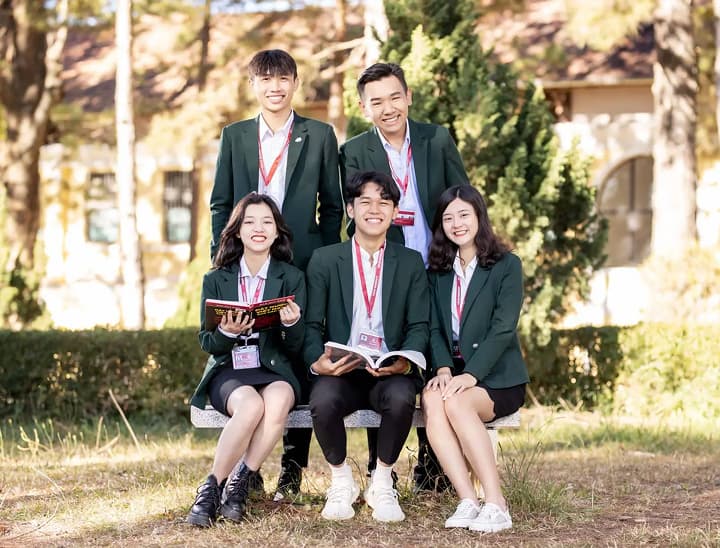
Junior Secondary School students
education
Educational Approach
- Combining the MOET curriculum with Cambridge English and STEM.
- Equipping students with a solid knowledge foundation while fostering independent thinking, critical reasoning, and global competencies.
- Nurturing emotional development, life skills, self-learning, and self-management abilities.
- Fostering confidence, creativity, and a sense of responsibility.
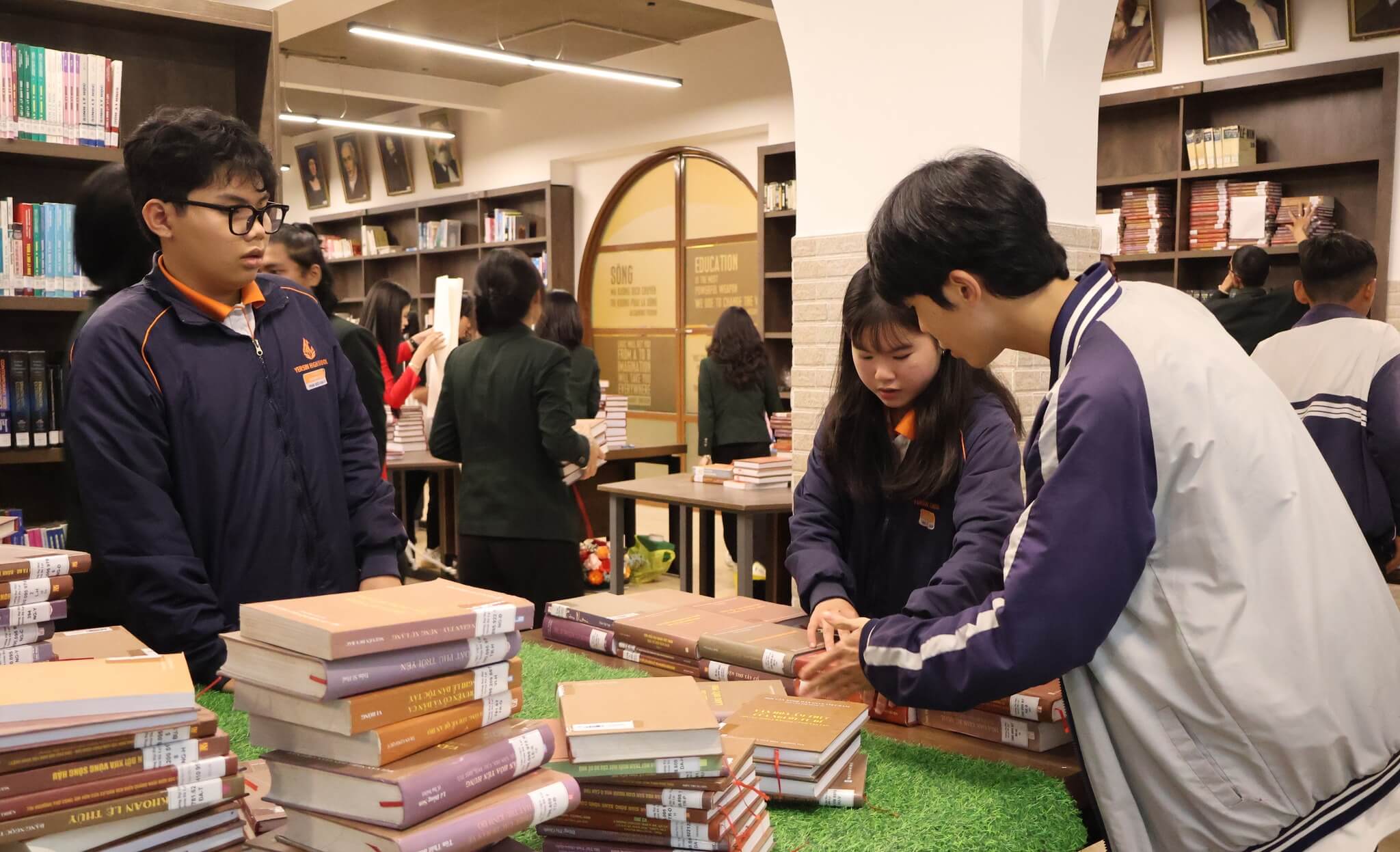
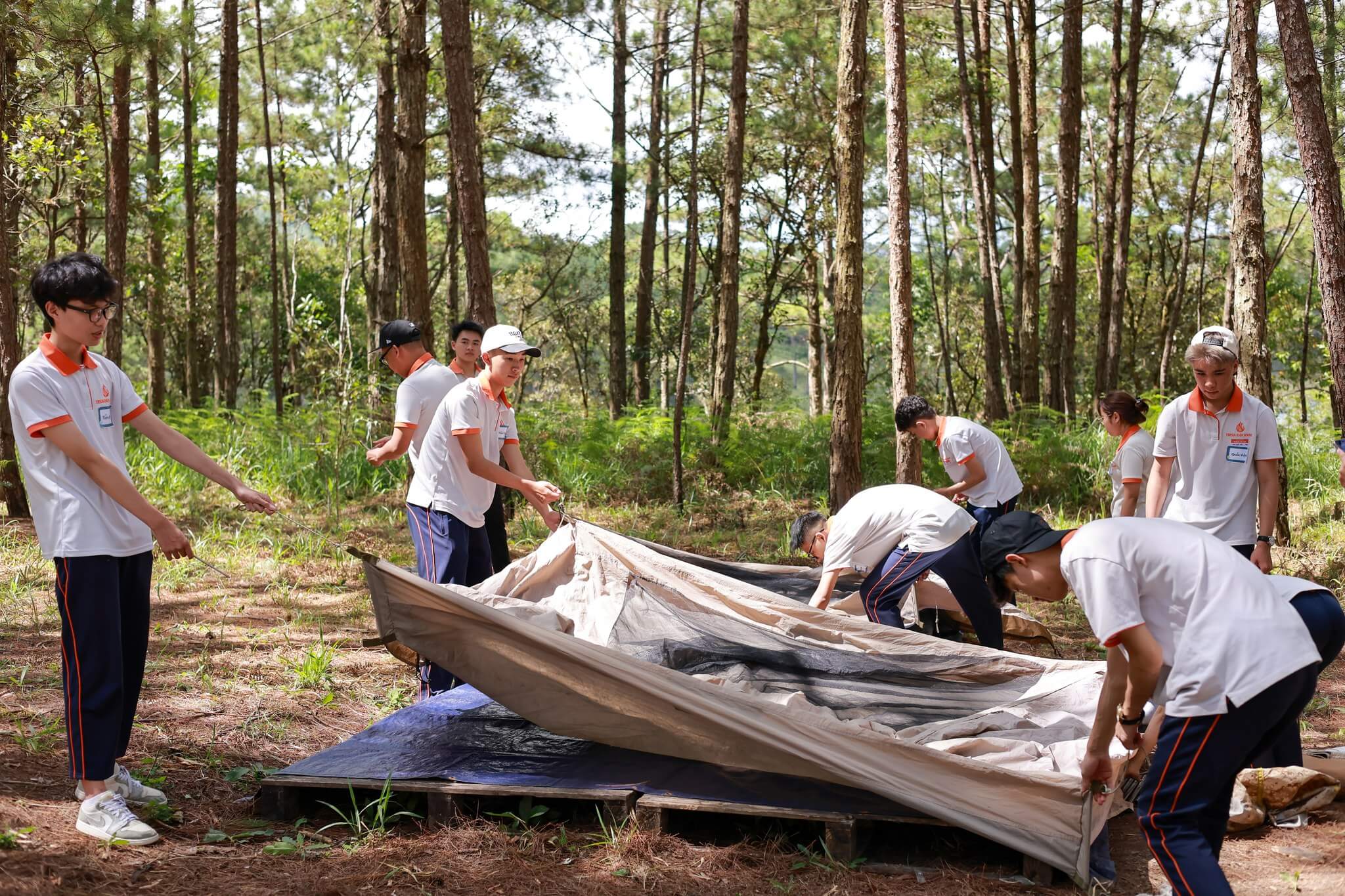
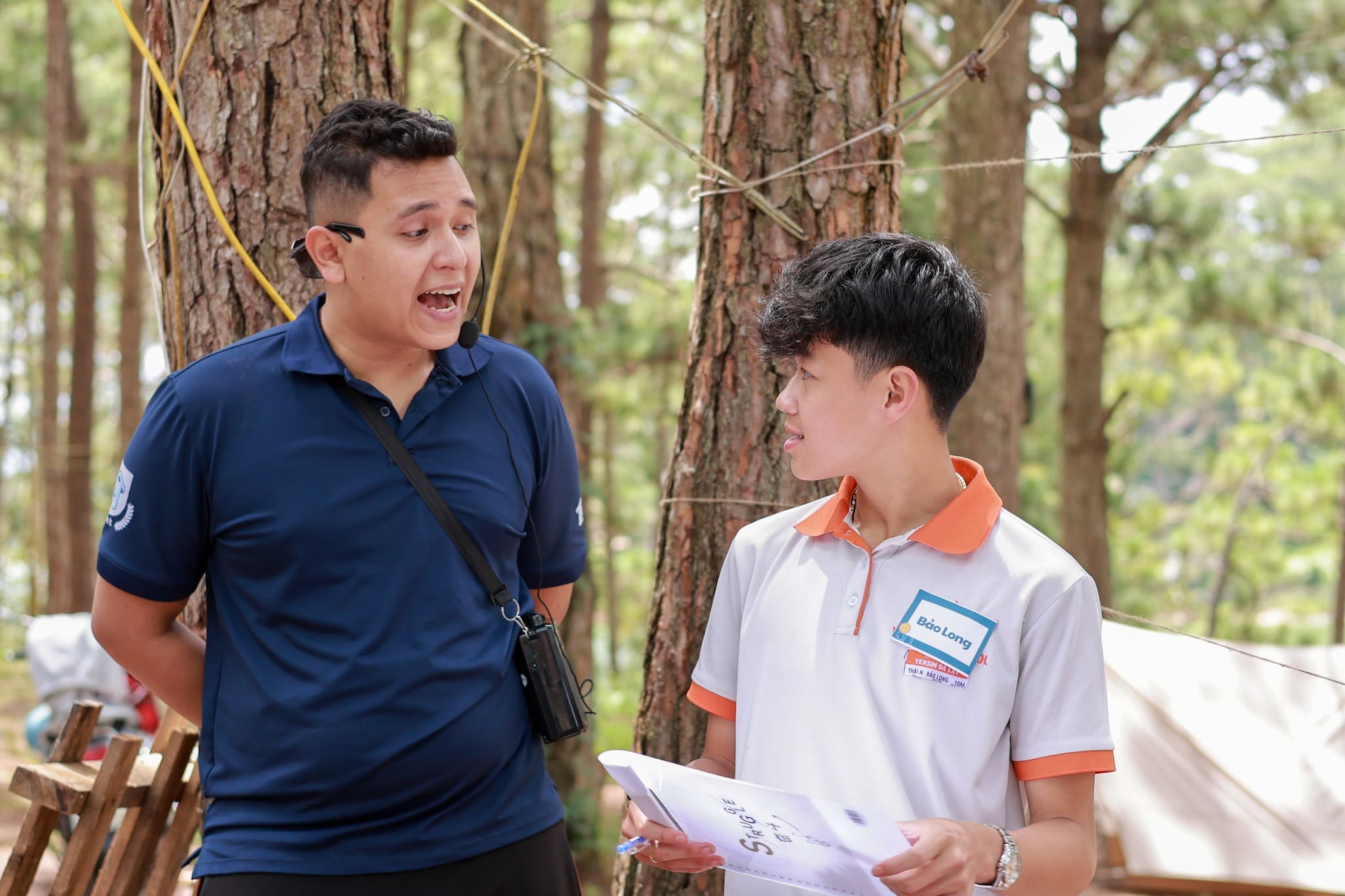
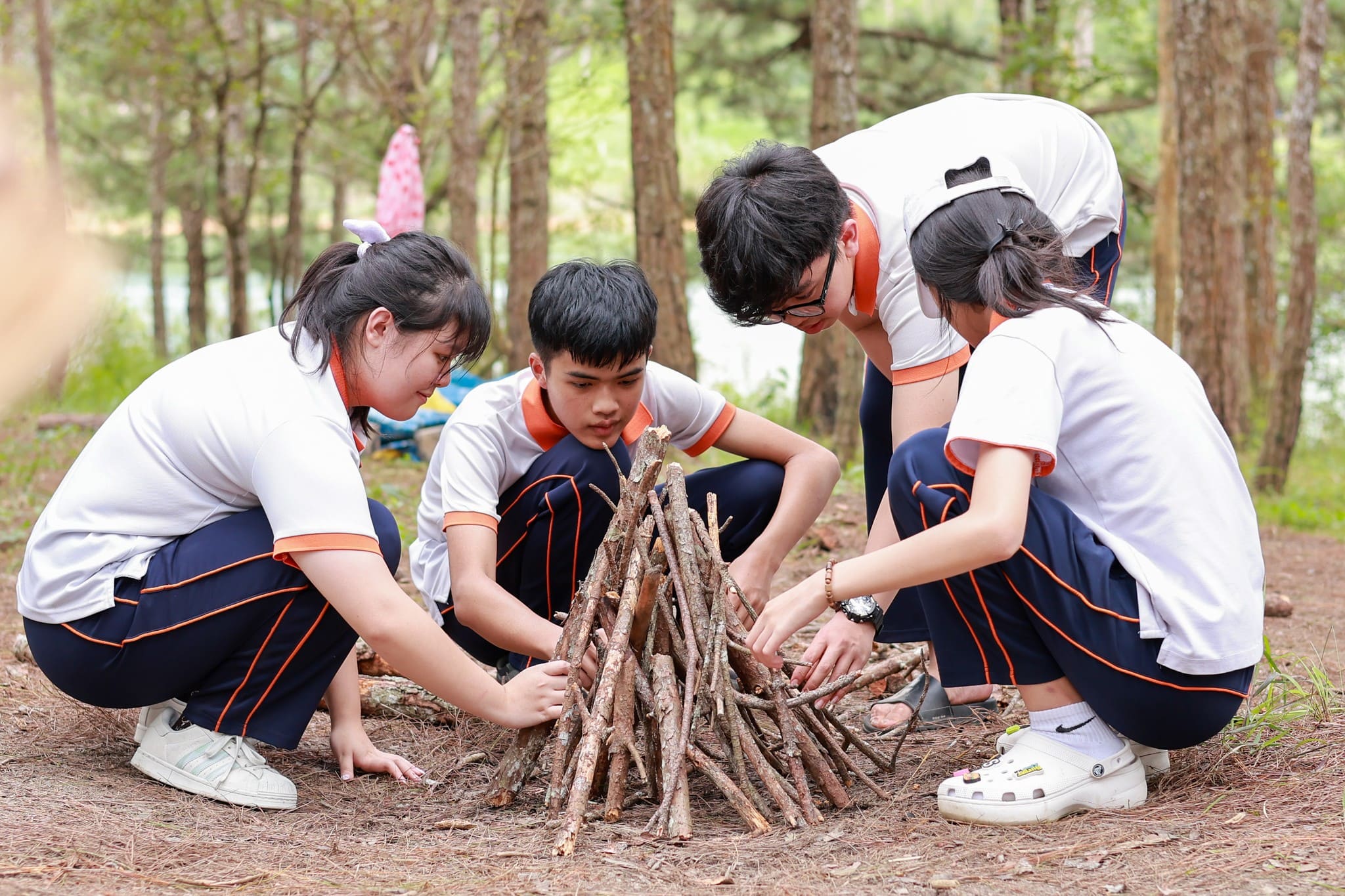
- Learning through hands-on experiences, projects, arts, and community activities.
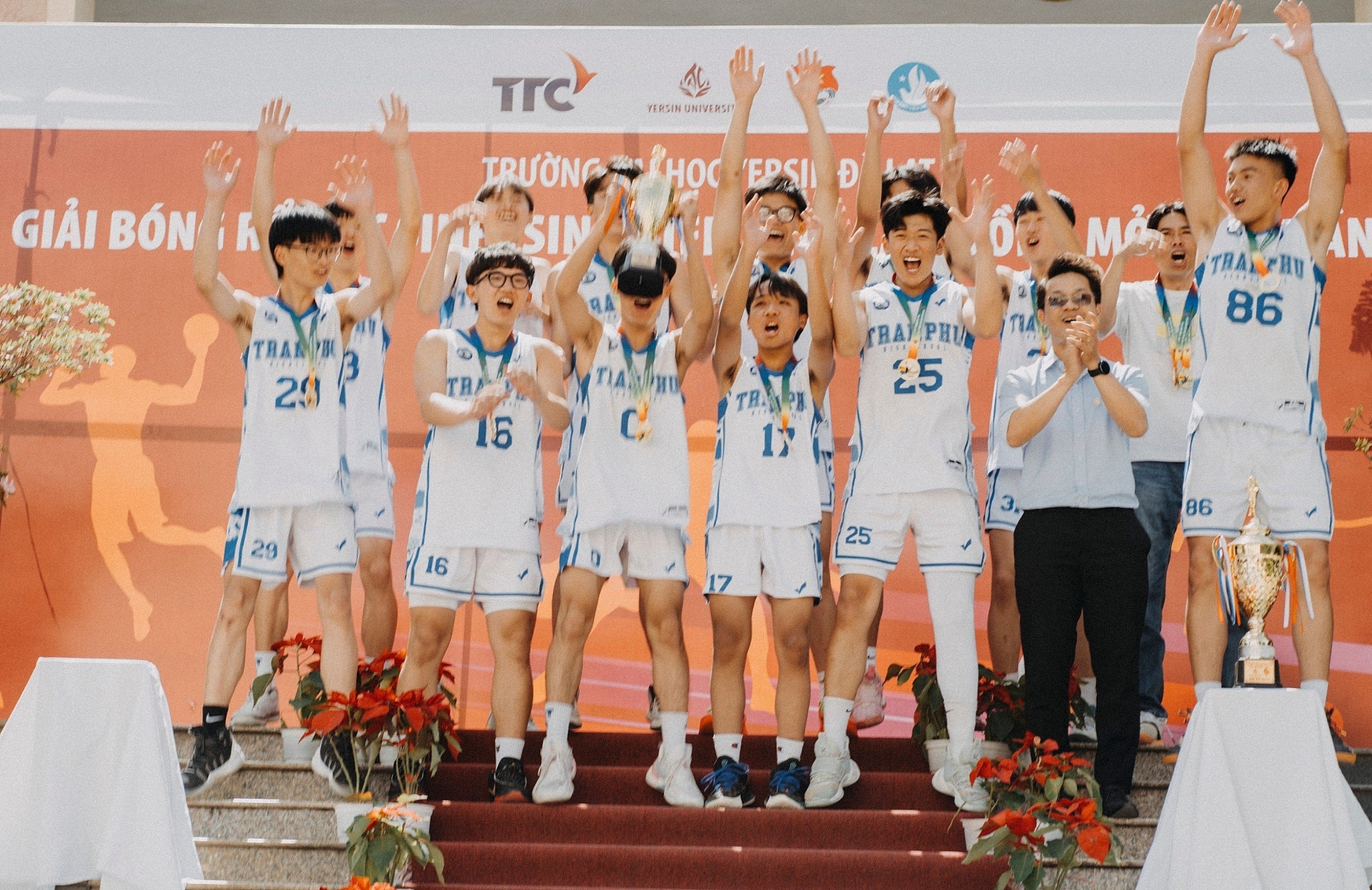
- Developing physical fitness, aesthetic appreciation, and nurturing creativity.
- Nurturing character, respect, and empathy.
- Shaping life ideals, global citizenship awareness, and connecting Vietnamese culture with universal values.
Levels
Learning Pathway
Accelerate & Expand

Deepen & Orient
Subject
Integrated Subjects in the Program
1. Literature
The subject focuses on analyzing literary works, developing essay writing skills and critical thinking. Students are encouraged to express personal viewpoints, engage in debates, and carry out literary projects that connect the texts to contemporary life.
- Enhance literary appreciation and advanced writing skills.
- Develop critical thinking, reasoning, and the ability to defend viewpoints.
- Cultivate character and a profound worldview.
2. Mathematics
The program focuses on building a solid foundation in logical and abstract mathematics. Students are challenged with more complex problems while applying their knowledge to STEM projects involving programming and data analysis.
- Master the Junior Secondary mathematics knowledge and problem-solving methods.
- Develop abstract and logical thinking, as well as multidimensional reasoning skills.
- Enhance the ability to apply mathematics to solve real-world problems.
3. Foreign Language (English)
The subject focuses on using English as an academic tool. The program, aligned with the CEFR framework, helps students practice essay writing, presentations, and debates in English, preparing them for international certification exams.
- Use English fluently in academic settings and diverse communication contexts.
- Achieve international English certifications according to the learning pathway.
- Develop research skills and global-minded thinking.
4. Natural Sciences (Physics, Chemistry, Biology) & Social Sciences (History, Geography)
The subjects are taught in depth, combining theory and practice. Students conduct laboratory experiments, participate in research projects, and engage in field surveys to gain a thorough understanding of natural and social laws.
- Provide a comprehensive and interconnected system of scientific knowledge.
- Develop scientific thinking, practical skills, and research abilities.
- Foster civic awareness and responsibility toward social and environmental issues.
5. Information Technology & Technology
The subject focuses on computer science, programming languages, and technology applications. Students learn to build websites, create digital products, and participate in technology projects, preparing them for the digital era.
- Master programming skills and technology product development.
- Enhance algorithmic thinking and technical creativity.
- Become a responsible user and creator of technology.
6. Physical Education & Arts
Students can choose sports and arts subjects according to their interests to pursue more specialized development. This is a time for them to refine their skills, participate in competitive teams, or engage in school art projects.
- Develop personal talents and passions.
- Build physical fitness, resilience, and team spirit.
- Maintain a balance between academic learning and personal growth.
7. Experiential Activities
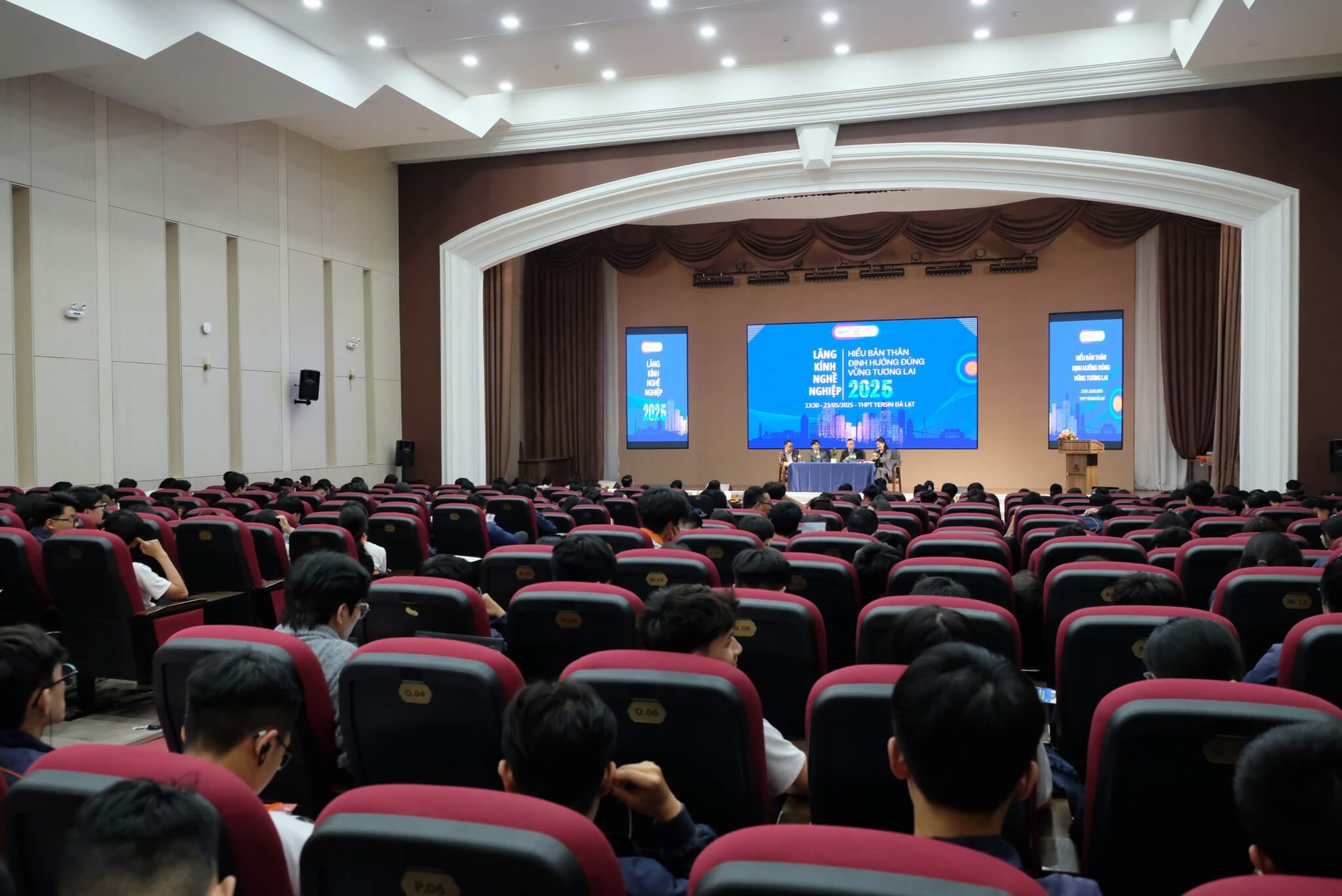
The activities are designed for students to explore themselves and the world of careers more deeply. Students participate in workshops with experts, company visits, and undertake future-oriented projects.
- Early career orientation based on interests and abilities.
- Develop essential soft skills for the workplace.
- Build confidence and proactivity in planning for the future.
8. Leader in Me (LiM) & STEM
Leader in Me (LiM): The 7 habits are applied more deeply to academic management, team leadership, and solving complex interpersonal problems.
STEM: Projects become more challenging, requiring students to integrate interdisciplinary knowledge to design and build highly practical technology products.
- Refine self-leadership and team leadership skills.
- Enhance the ability to solve complex problems.
- Build an impressive competency portfolio for the next stage of education.
Our Team
Outstanding Teaching Team
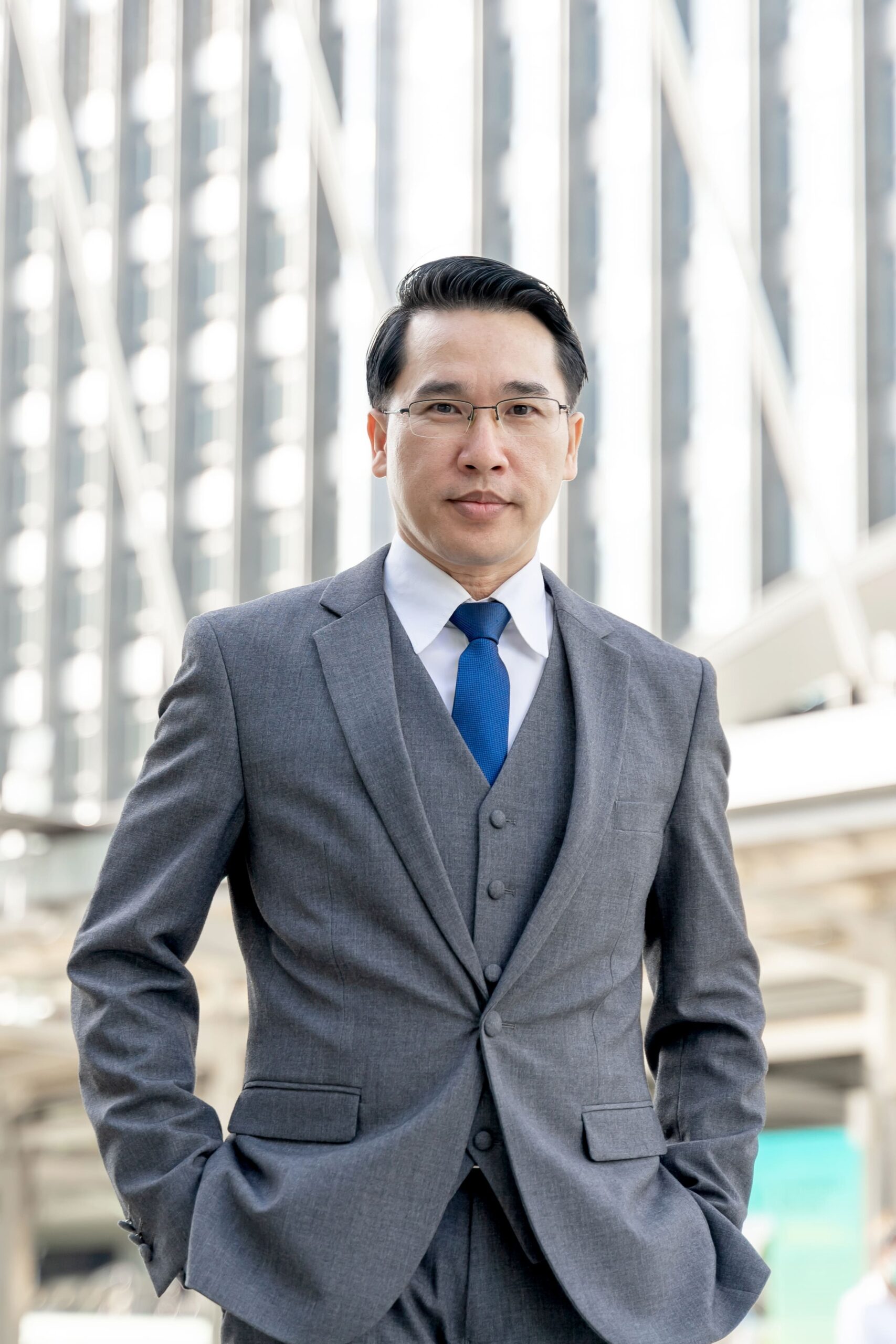
Mr. Nguyen Van A
Executive Board
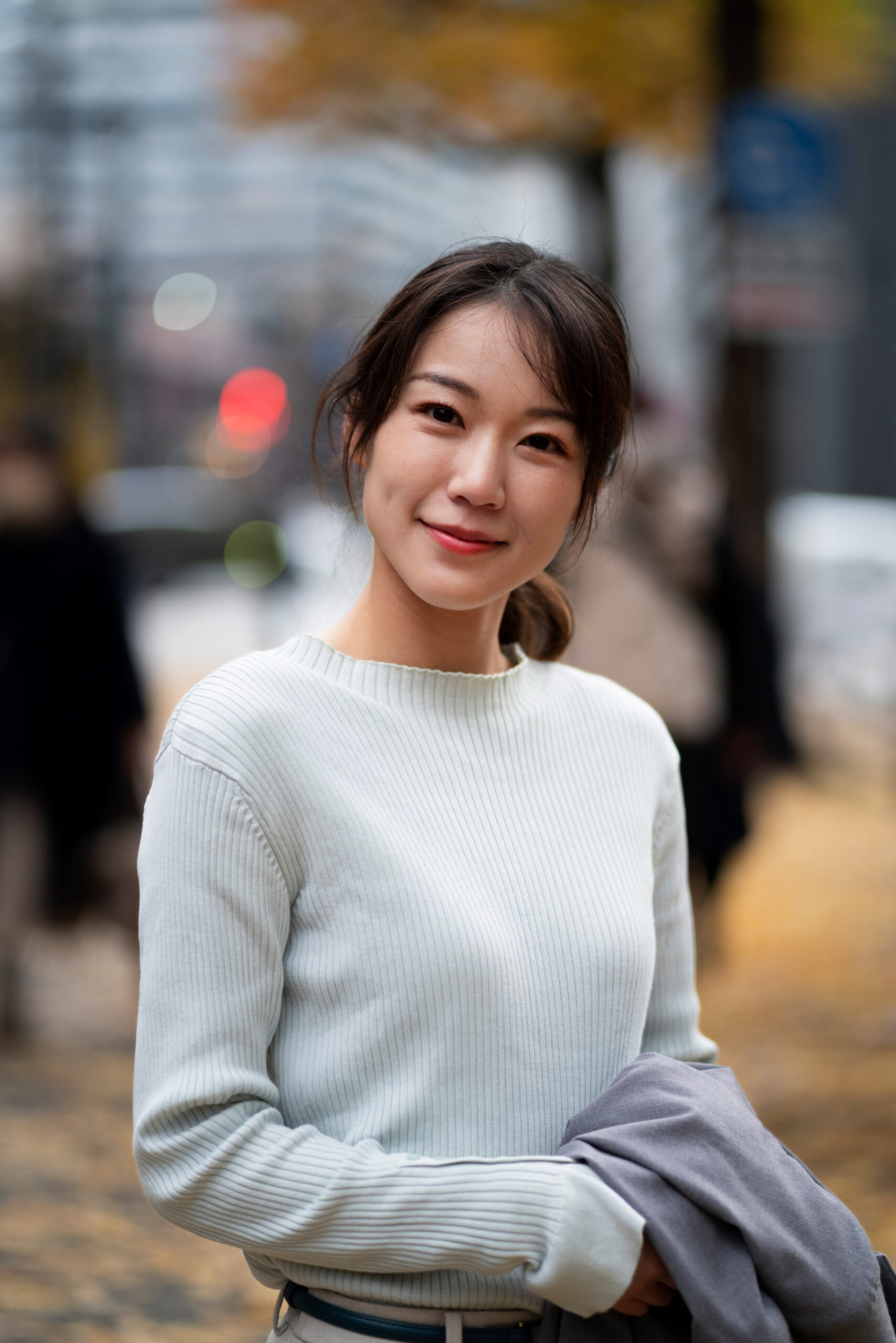
Ms. Nguyen Ngoc Anh
Executive Board

Mr. Nguyen Van B
Executive Board

Ms. Nguyen Thanh Vy
Executive Board
achievements
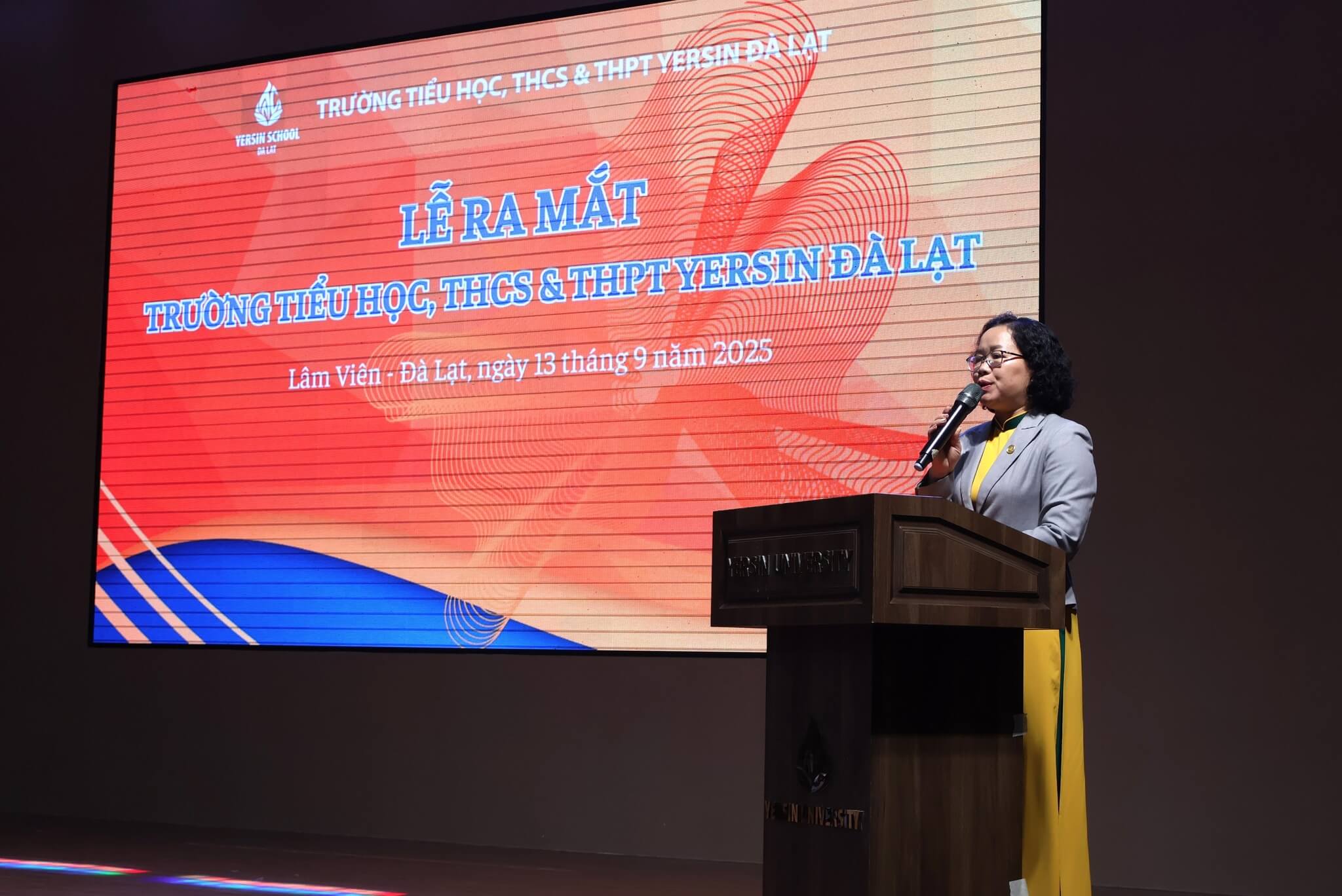
Student Achievements
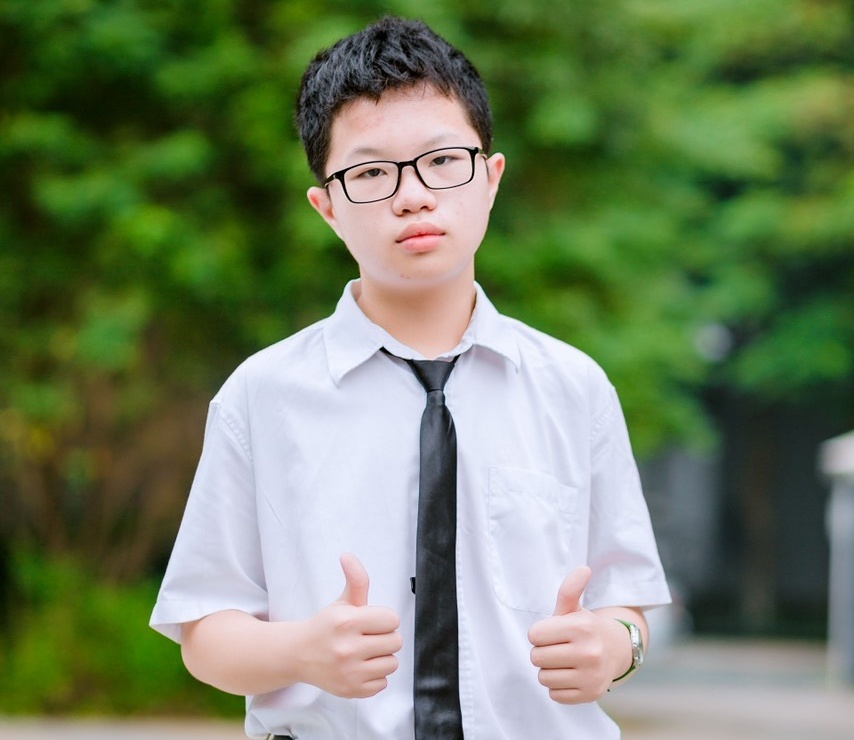
Nguyen An Nhien – Class: 5A1
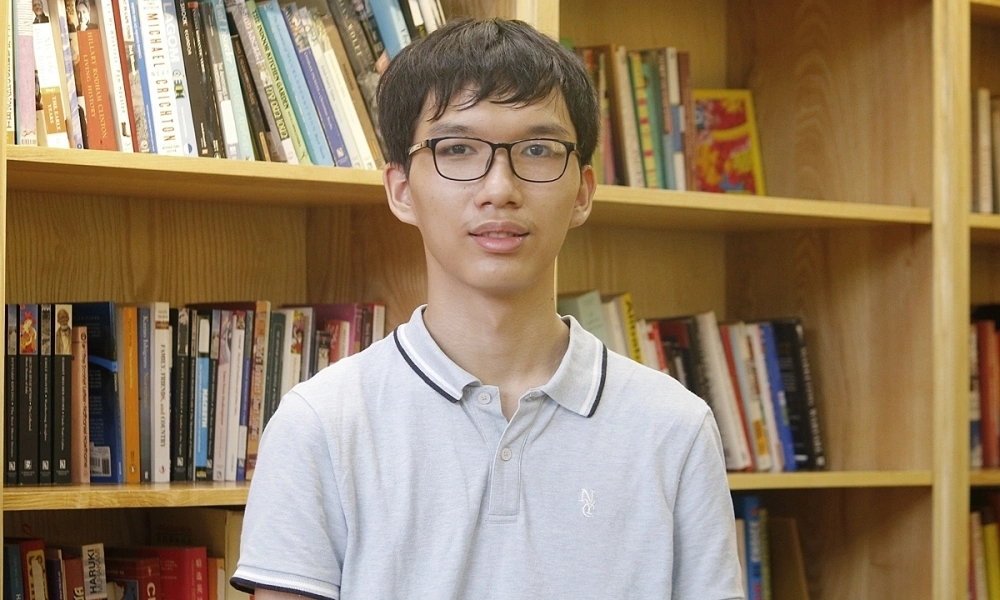
Le Quang Minh – Class: 9B2

Tran Hoang Anh – Class: 12D1

Pham Thao My – Class: 11A2
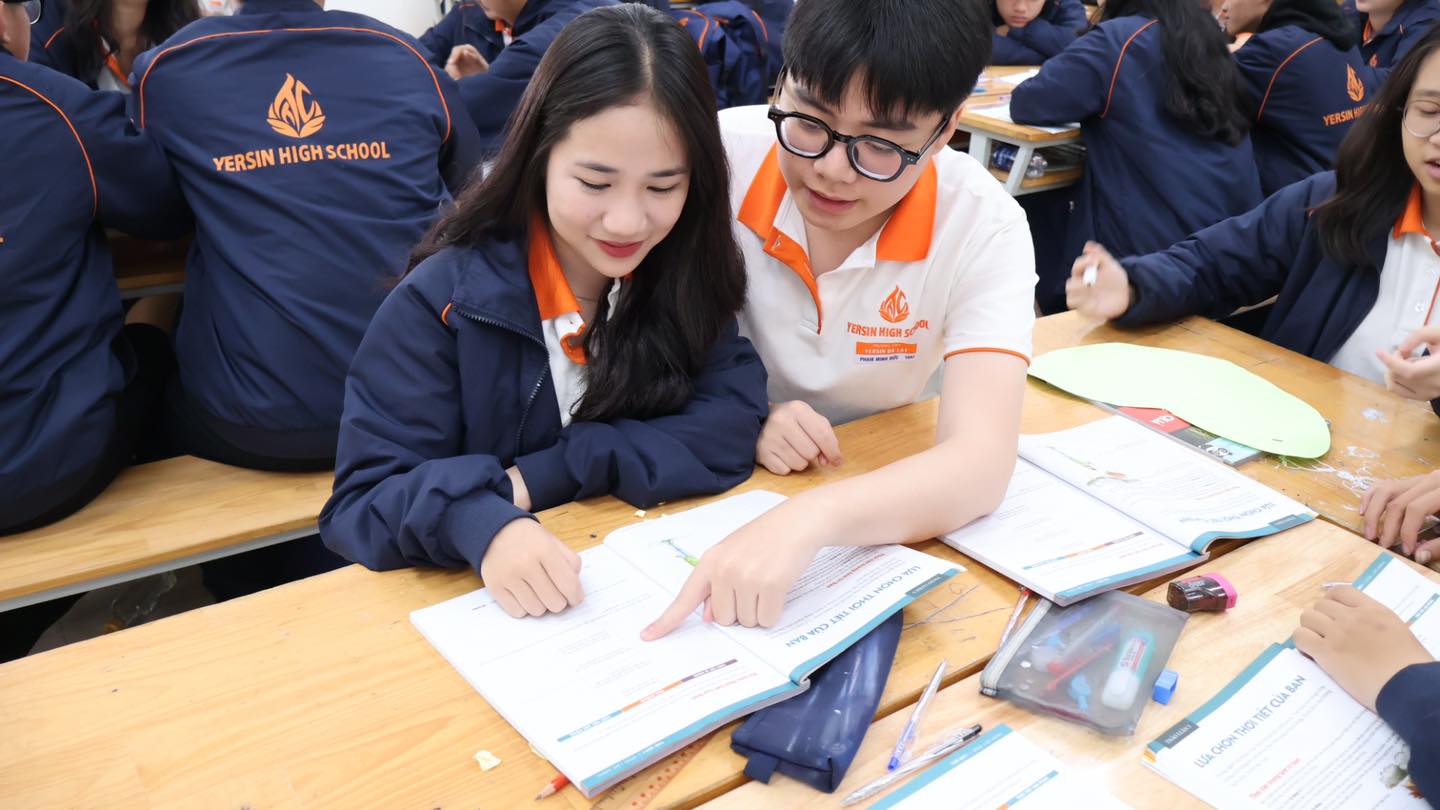
Vu Minh Duc – Class: 12A1
admission
Admissions